
 Search


 www.google.com
The Better Way to Pay Off Credit Card Debt
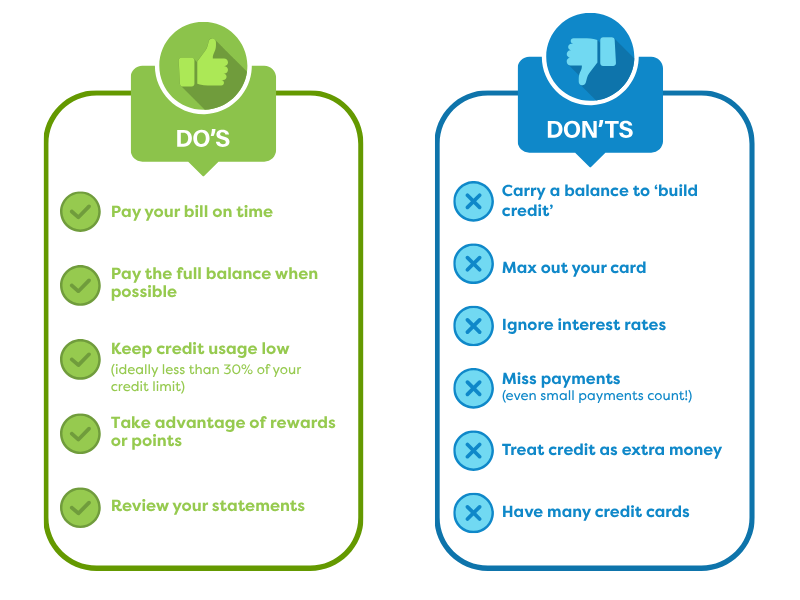
A report released earlier this year found that four out of 10 Canadians are using their credit card this year more than last. As the cost of essentials rises, people are relying on credit to pay for some of their day-to-day expenses.
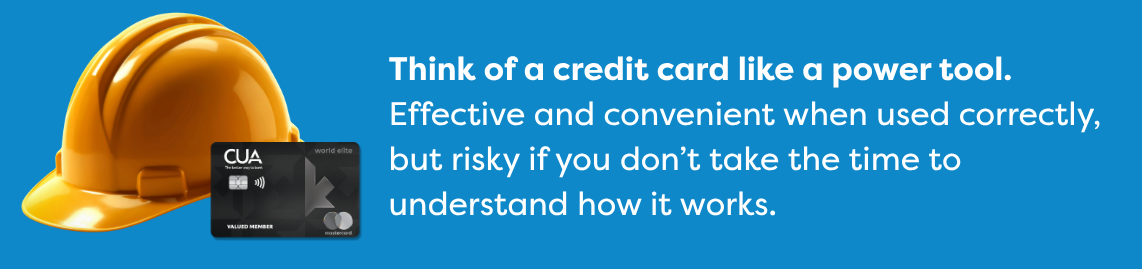
A credit card is a useful tool for day-to-day purchases, and many offer rewards or other advantages that can make them more appealing. But like any tool, how helpful and beneficial it is depends on how it’s used.
We know that it is ideal that credit card balances are paid in full every month, but that may not be realistic for many. Emergencies happen that can impact your financial plan – no one is ever planning to get a flat tire on the way to work.
Life happens, we can help
Debt can be a slippery slope, especially when you're carrying a large sum at a high interest rate over an extended period or trying to pay off several cards at once.
If your spending has resulted in a hefty balance on one or more credit cards that you cannot pay off in full, here are a few options to help consolidate the debt and reduce your interest costs.

Personal Loan
Loans often carry far lower interest rates than credit cards, which can sometimes have rates more than 20%. For example, if you carry a $1,000 purchase on your credit card for a year (at 20% interest), it will cost you $200 more than the purchase price.
Loans and their repayment terms can be flexible to your individual needs. At CUA, we offer flexible terms between 12-60 months, so you can pay off the debt in a time frame that makes sense for you and your budget. If you don't have an emergency fund, consider choosing a slightly longer loan term to lower your monthly payments, freeing up disposable income to start a savings account. With an emergency fund, you'll avoid relying on credit cards to pay for life's unexpected surprises such as car or home repairs.
Loans are considered "fixed" debt, meaning you'll borrow the amount you need, your payments will be the same, and you'll have an exact date to mark on the calendar when your debt will be repaid in full. Your balance or "total amount owing" will only go in one direction - down. And when your loan is paid off, you can shift your payment amount to an investment account or high interest savings account to support saving for a big purchase or retirement.
Personal Line of Credit
A line of credit is a flexible, revolving loan that lets you borrow money up to a maximum amount. That means you can withdraw, repay and withdraw again without reapplying. A line of credit often has a lower interest rate than credit cards, so if you happen to be carrying a high balance on your card, or are carrying balances across many cards, moving the debt to a line of credit could help reduce the amount of interest you pay.

Balance Transfer
Balance transfers are a great way to make a big impact on your credit card balance. When you are considering this option, take note of any promotions and if there is a promotional period for the interest rate. At CUA, our credit cards currently have a 0% interest rate balance transfer promotion over 12 months. This could work like a no interest loan if you moved your debt to that card. However, if you find it challenging to keep to consistent payments, or if the promotional period isn’t long enough for your repayment schedule, this may not be the right option for you.
Making the right decision
Some important things to note when considering your options – personal loans, lines of credit, and credit card balance transfer products are all subject to terms, conditions and a successful credit check. It’s important to understand these factors before making a decision.
If you’re not sure what might be the best option for you, reach out to one of our Financial Advisors. They will work with you to help understand your debt and outline some practical steps and solutions you can take.
If you're interested in exploring a loan, contact myself or a member of the CUA team at 902.492.6500 or info@cua.com.
Explore some of our other CUAdvice articles about credit cards:
• Making your credit card work for you
Revised May 1, 2026