
 Search


 www.google.com
The Smartest Money Habit: Pay Your Future Self First
If you’ve read any of our staff profiles, a common piece of financial advice they give is “pay your future self first”.
But what exactly does that mean? Paying bills and then putting away what you can, or what you have left at the end of the month for savings is paying yourself, right?
That’s true, to an extent. But there’s another way that can get you even further ahead. What has also been called “reverse budgeting,” this method changes your financial priorities to prioritize savings, just as you would any other bill payment, and leftover funds are used toward other expenses.
Priority shift: savings first.
Adjust your budgeting method to place money into savings first. Even better, you can automate an amount to transfer monthly or weekly, taking out the worry or having to remember. While your monthly bills are ideally planned for in your budget, it’s often the smaller, everyday purchases that slip under the radar. A coffee here and a quick snack there can quietly add up, leaving you wondering where your money has gone.
With a focus on putting away a pre-determined amount for savings first, it helps make any spending after bills feel a bit more controlled, as your savings have already been prioritized.
The first step is determining both the frequency of transfers and the amount to put aside. You might choose to make monthly self-payments to align with your bill payment cycles or biweekly to match your pay cycle. You’ll also need to determine your financial goals and how much should go towards each. This might include saving for retirement, building an emergency fund or putting money away for a larger purchase, such as a vacation or technology upgrade.
Often, you’ve already done the mental math or have a basic budget where you roughly subtract the bills from your income. If you treat adding to your savings account the same way you treat paying a bill, it takes the pressure off every other spending decision. Rather than hoping what’s left over will be enough to put into savings, you’ve already checked that goal off your list, making the rest of your spending feel far less stressful.
Bank like a CUA Branch Manager
Danny Piovesan, Branch Manager at CUA’s Cole Harbour Branch recommends this strategy to members often. “I tell people to pretend the money isn't there,” explains Danny.
“If your after-taxes take home pay is $1,200, and you’re committing $200 per month in savings, you don’t have $1,200 for the month, you have $1,000.”
A great way to maintain your savings is by setting up an automated fund transfer for your target amount.
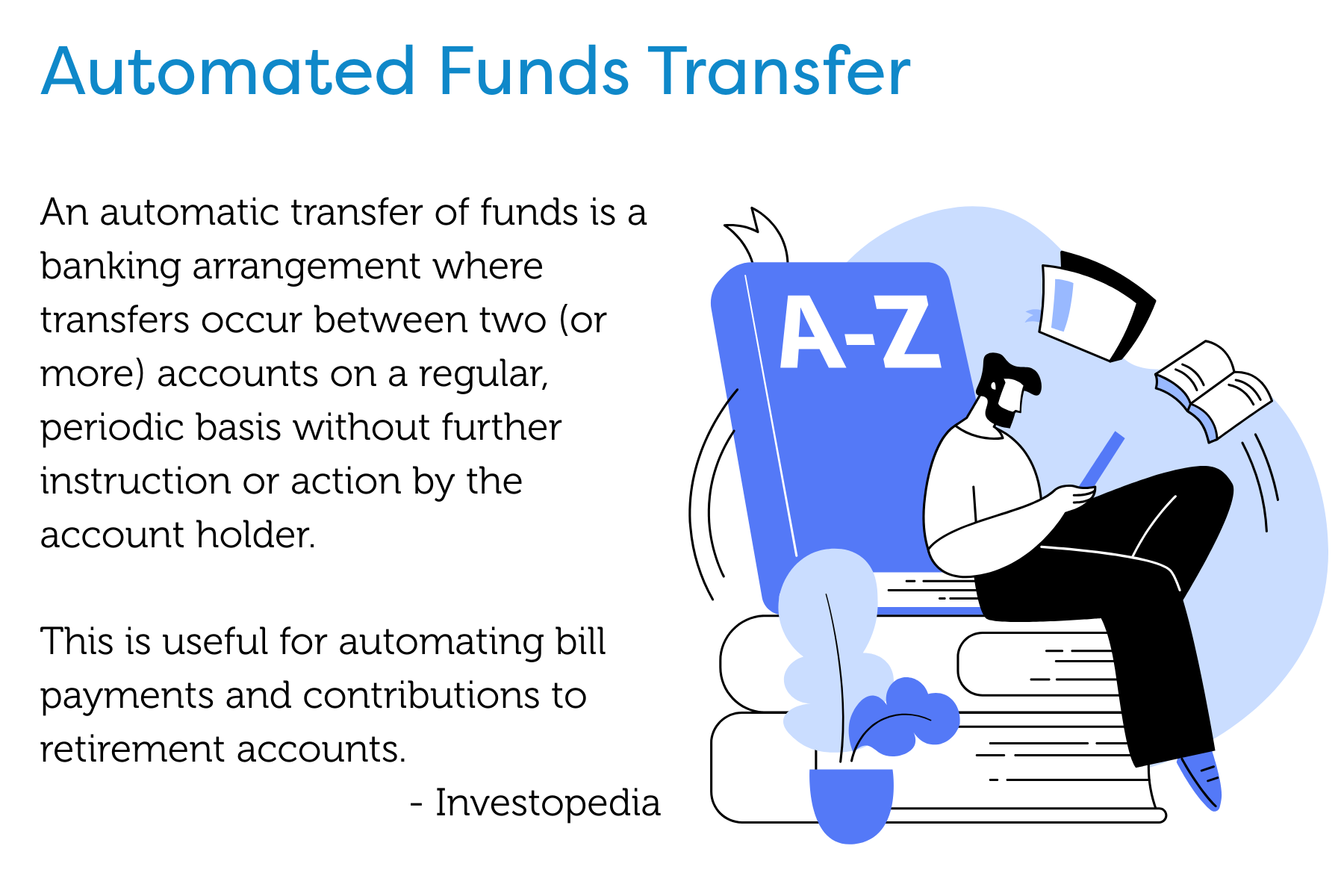
Automating the process ensures you’re consistently keeping up with your savings goals without having to think about it each month.
Rachell Rossi, Branch Manager at CUA’s Pleasant Street Branch, believes the ‘pay yourself first’ strategy is a genuine game changer.
“This concept can sometimes feel obvious,” says Rachel, “but it’s really a shift in perspective. Treating your savings like a bill you owe yourself helps reframe the entire way you manage your money.”
“I’ve watched members build confidence this way, and over time, those small consistent deposits add up in a really meaningful way.”
If you have questions about how much you should be saving or how to make that process easier, we can help. Connect with one of our Financial Advisors by booking an appointment onlinecalling 902.492.6500 or emailing info@cua.com.
Published March 10, 2026
If you found this article helpful, you may also be interested in these related topics:
• Set it & Forget it with Automated Fund Transfers (AFTs)